Quick facts
Famous places
Zambia has around 20 national parks — roughly a third of the country is set aside for conservation. A few of the best-known places:
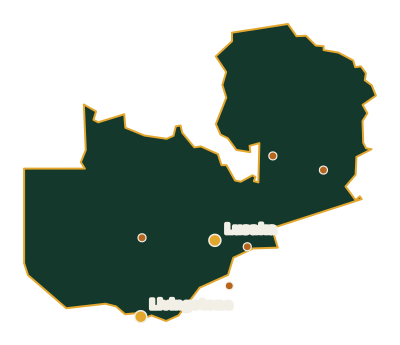
Gold marker: capital. Copper markers: South Luangwa, Lower Zambezi, Kafue and Kasanka national parks, and Lake Kariba.
Things worth knowing
Greetings matter. A handshake and a friendly greeting before getting into business is the norm — jumping straight to a request or question can come across as abrupt. "Muli bwanji?" (Nyanja) and "Mulishani?" (Bemba) are common, widely understood greetings.
Best time to visit. The dry season (roughly May to October) is best for wildlife viewing, since animals gather near rivers and waterholes and the bush is less overgrown. The wet season (November to April) is lush and excellent for birding, but some rural roads become difficult to travel and the Victoria Falls water levels are at their most dramatic toward the end of it (around March–May).
Money. The Zambian Kwacha (ZMW) is the official currency; mobile money is widely used for everyday payments in towns and cities. Card acceptance is common in Lusaka and tourist areas but less reliable in rural areas, so carrying some cash is sensible outside major towns.
Tipping. Not obligatory, but appreciated in restaurants, for safari guides, and for porters — small amounts go a long way.
Emergency numbers. 999 is the general national emergency number. Police can also be reached on 991 in many areas. Numbers can vary slightly by province, so it's worth saving the local police station's direct line once you arrive somewhere.
Health. Zambia is a malaria risk area in most parts of the country — antimalarial medication and mosquito precautions are strongly recommended; speak to a travel clinic or doctor before visiting. Tap water is not universally safe to drink outside major hotels — bottled or treated water is the safer default.